
Guide · 4 min read
Blinds & Shutters for Listed Buildings & Conservation Areas
What to consider when choosing window dressings for a listed building or a home in a conservation area, and when planning restrictions actually apply.
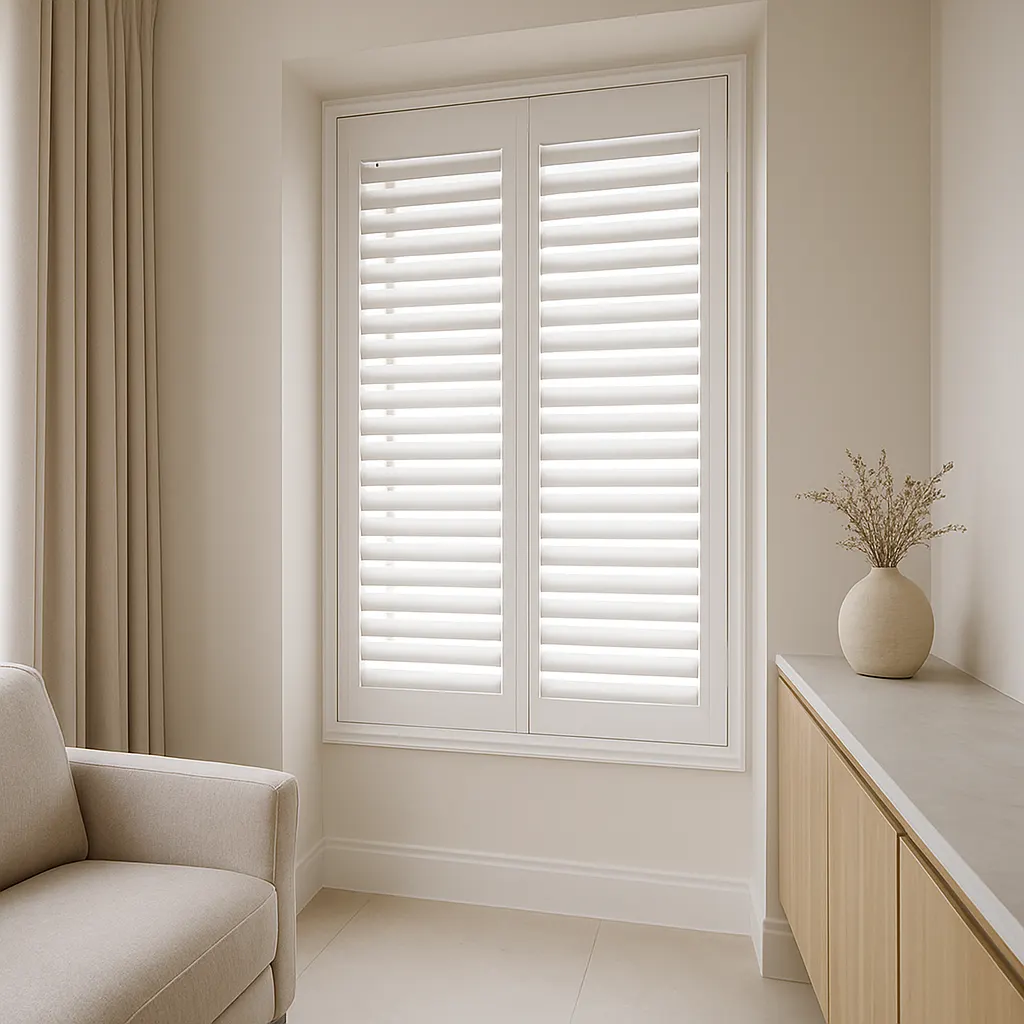
South London has no shortage of conservation areas and the occasional listed building among its Victorian and Edwardian housing stock. If you live in one, it’s worth understanding what actually needs permission before you choose new blinds, curtains or shutters — and, just as often, what doesn’t.
What conservation area status actually restricts
Conservation area designation mainly controls the external appearance of a property — things like replacing windows, doors, or making external alterations visible from the street. Internal window dressings — blinds, curtains, and interior shutters fitted inside the room — are not generally subject to planning control, since they don’t alter the building’s external fabric or appearance.
Where it can get more involved: listed buildings
Listed building consent is a different, stricter regime, and can in some cases extend to internal features if they’re considered part of the building’s special interest — for example, original box shutters built into the window reveals of a Georgian or early Victorian property. If your home is listed (rather than simply in a conservation area) and has original built-in shutters, it’s worth checking with your local conservation officer before removing or permanently altering them, even though adding new curtains or blinds alongside them is very unlikely to need consent.
Sympathetic choices for period properties
Regardless of what’s legally required, many owners of period South London homes want their window dressings to suit the property’s character. A few sympathetic choices we’re asked for often:
- Interior shutters styled close to traditional panelled or louvred designs, which suit Victorian and Edwardian sash windows particularly well — see our shutters vs blinds guide.
- Curtain poles in wood or aged metal finishes rather than very contemporary chrome or matte black, which can look at odds with an older room.
- Full-length, generously interlined curtains on tall sash windows, in keeping with the proportions the windows were originally designed for.
External blinds and awnings are a different matter
Anything fitted externally — an awning, external shutters, or a blind visible from the street — is far more likely to need planning permission or listed building consent in a conservation area than anything fitted inside. If you’re considering external shading rather than internal window dressings, check with your local council’s conservation team before ordering.
Our advice
For the vast majority of internal blinds, curtains and shutters in Balham, Clapham, Wandsworth and the surrounding conservation areas, no permission is needed at all. If you’re ever unsure — particularly for a listed building — we’re happy to point you toward your local conservation officer before we proceed with a design that could be affected.
See our blinds & shutters range for more.
Ready to talk through your windows?
Book a free design consultation and we’ll help you choose the right made-to-measure blinds, curtains or shutters for your home.
Get in touch